





Start with understanding the signs
Learn about childhood myopia, the signs to look for, and try a simple at-home vision test to see if further assessment may be needed.
To see is to know the world
見えることは、世界をもっと知ること。
Myopia is a global concern. By 2050, half of the world’s population could be living with myopia.¹ The condition progresses fastest in children under 10,² especially those with high myopia. More than just a vision issue, myopia can impact a child’s confidence, independence, and daily life.
Myopia often develops gradually, making it easy to miss the early signs. You may notice small changes in your child's everyday behaviour, such as:

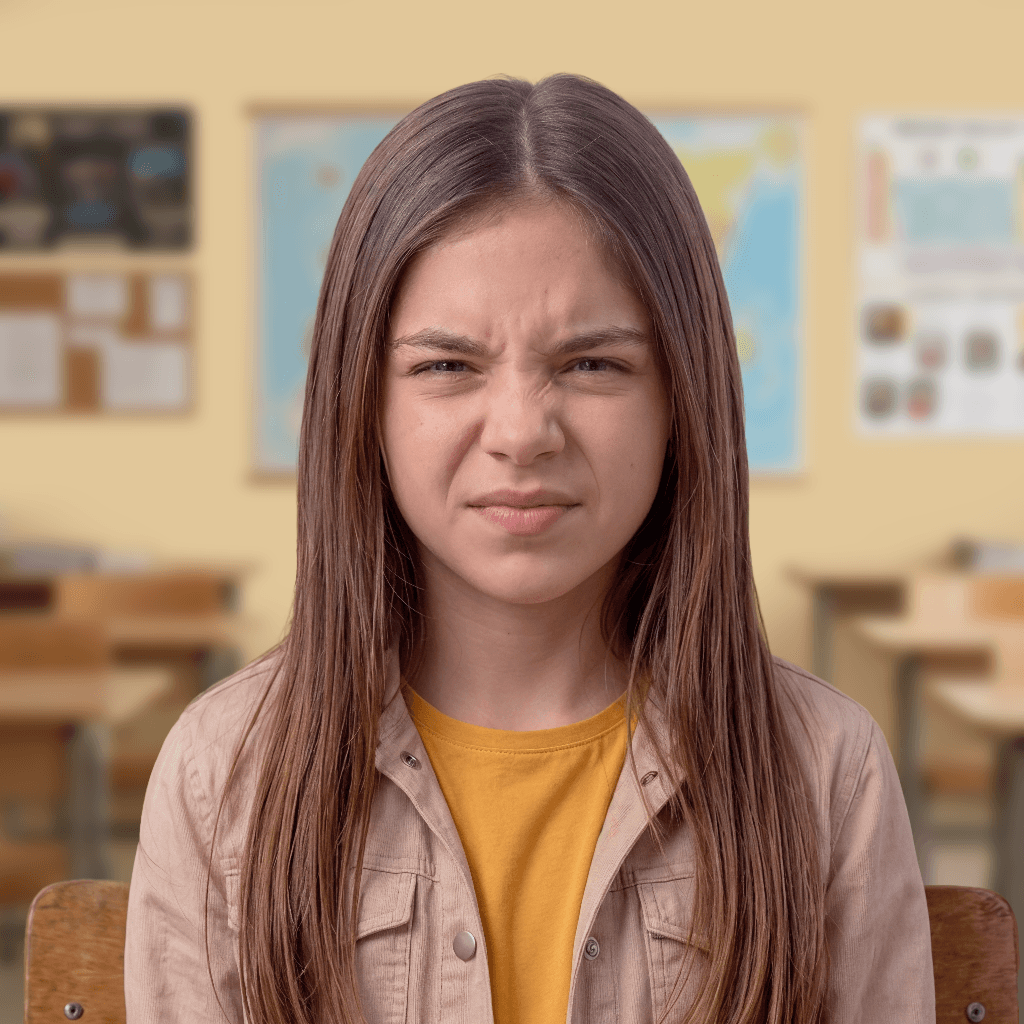
Your child may squint when looking at distant objects to try to see more clearly.
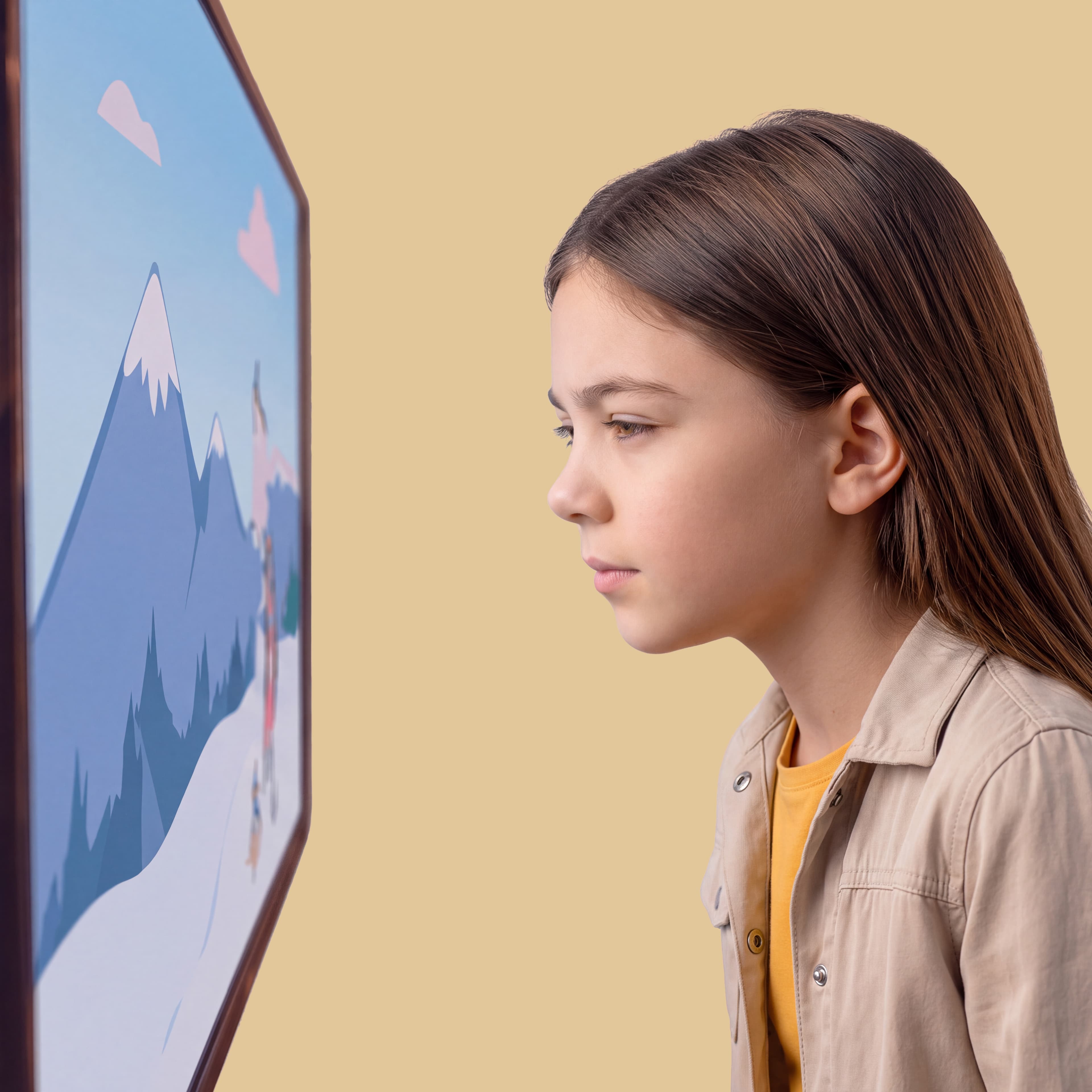
If your child is sitting very close to the television may be a sign that objects at a distance appear blurry.
Your child may struggle to see writing on the classroom board clearly.
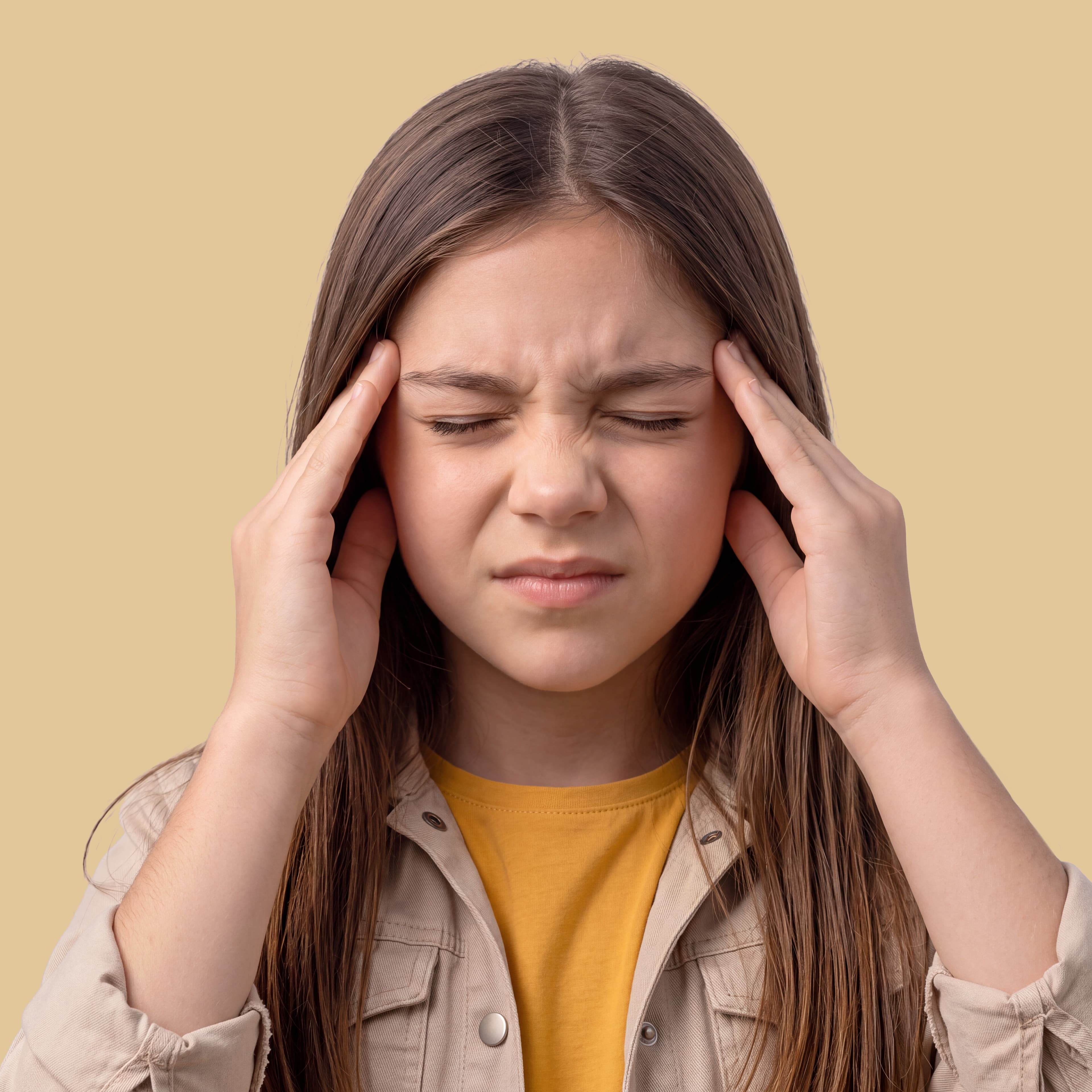
Recurring headaches, especially after visually demanding activities, may be a sign of vision difficulties
Your child may squint when looking at distant objects to try to see more clearly.
If your child is sitting very close to the television may be a sign that objects at a distance appear blurry.
Your child may struggle to see writing on the classroom board clearly.
Recurring headaches, especially after visually demanding activities, may be a sign of vision difficulties
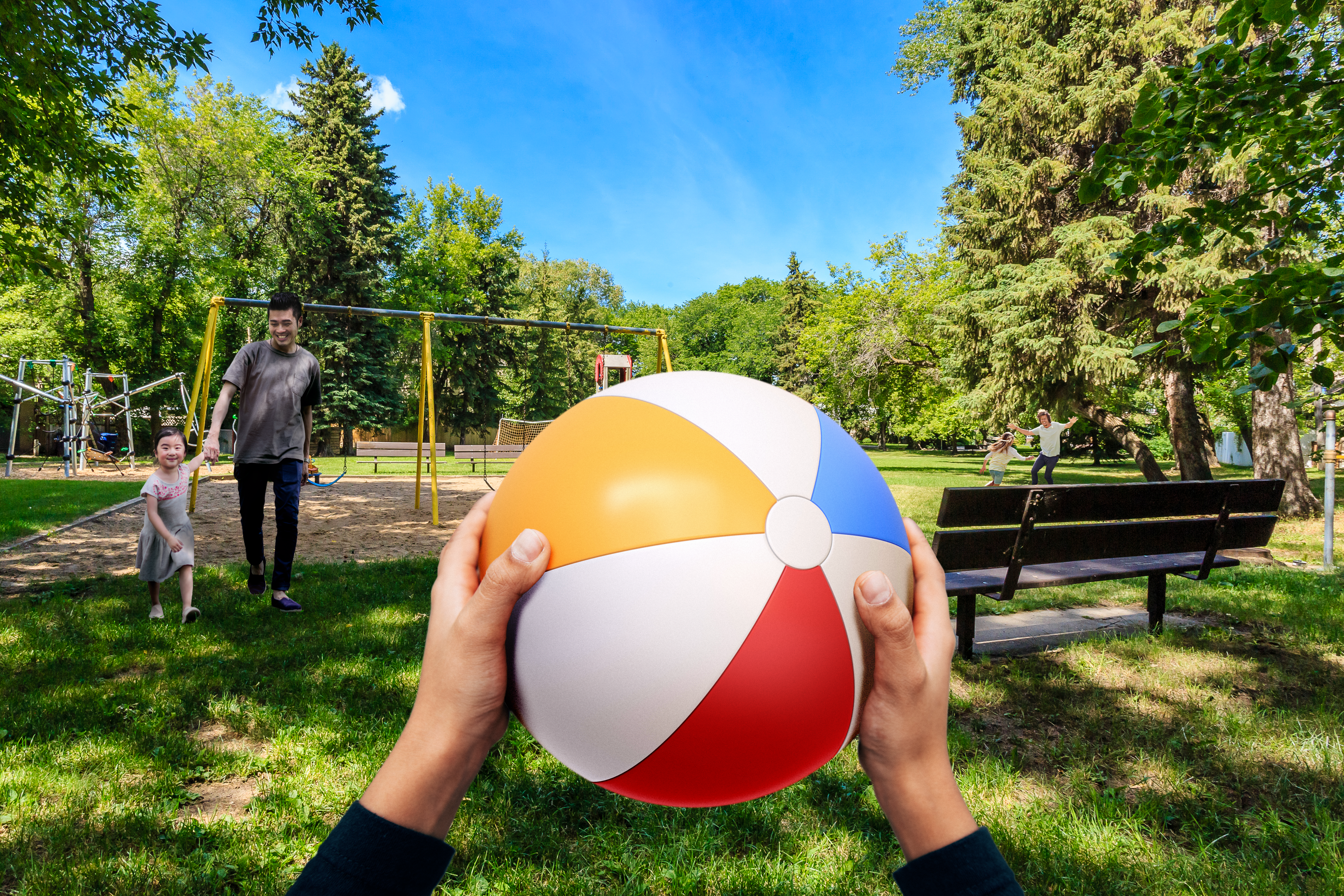
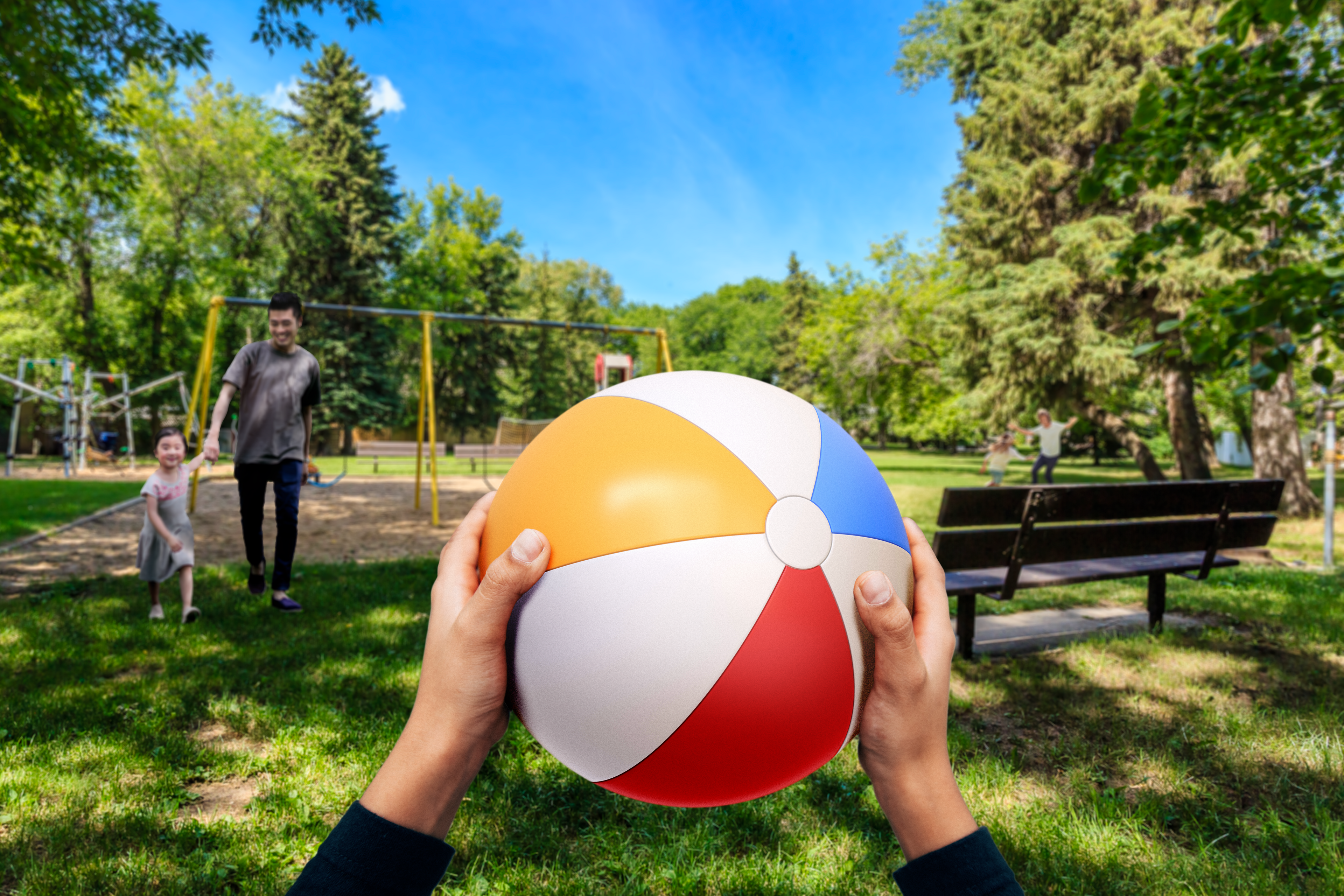
What your child sees may be different from what you see. Explore the simulation below to experience how myopia can impact the way children view the world around them.
Myopia can affect your child’s vision at school and in everyday life. Without management, it may worsen during childhood, with higher levels associated with an increased risk of serious eye conditions later in life.³ What can you do next?
Learn about childhood myopia, the signs to look for, and try a simple at-home vision test to see if further assessment may be needed.
Get professional guidance on your child's vision and the next steps that may be appropriate for them.
Learn about childhood myopia, the signs to look for, and try a simple at-home vision test to see if further assessment may be needed.
Get professional guidance on your child's vision and the next steps that may be appropriate for them.
While most spectacle lenses correct vision, they do not help manage myopia progression over time. That is why HOYA developed the evidence-based5 MiYOSMART* in 2018 and later introduced MiYOSMART iQ*, its next-generation spectacle lens solution, combining clear vision with myopia control.
MiYOSMART* spectacle lenses have already been chosen by parents around the world.
Backed by 150+ scientific publications⁵
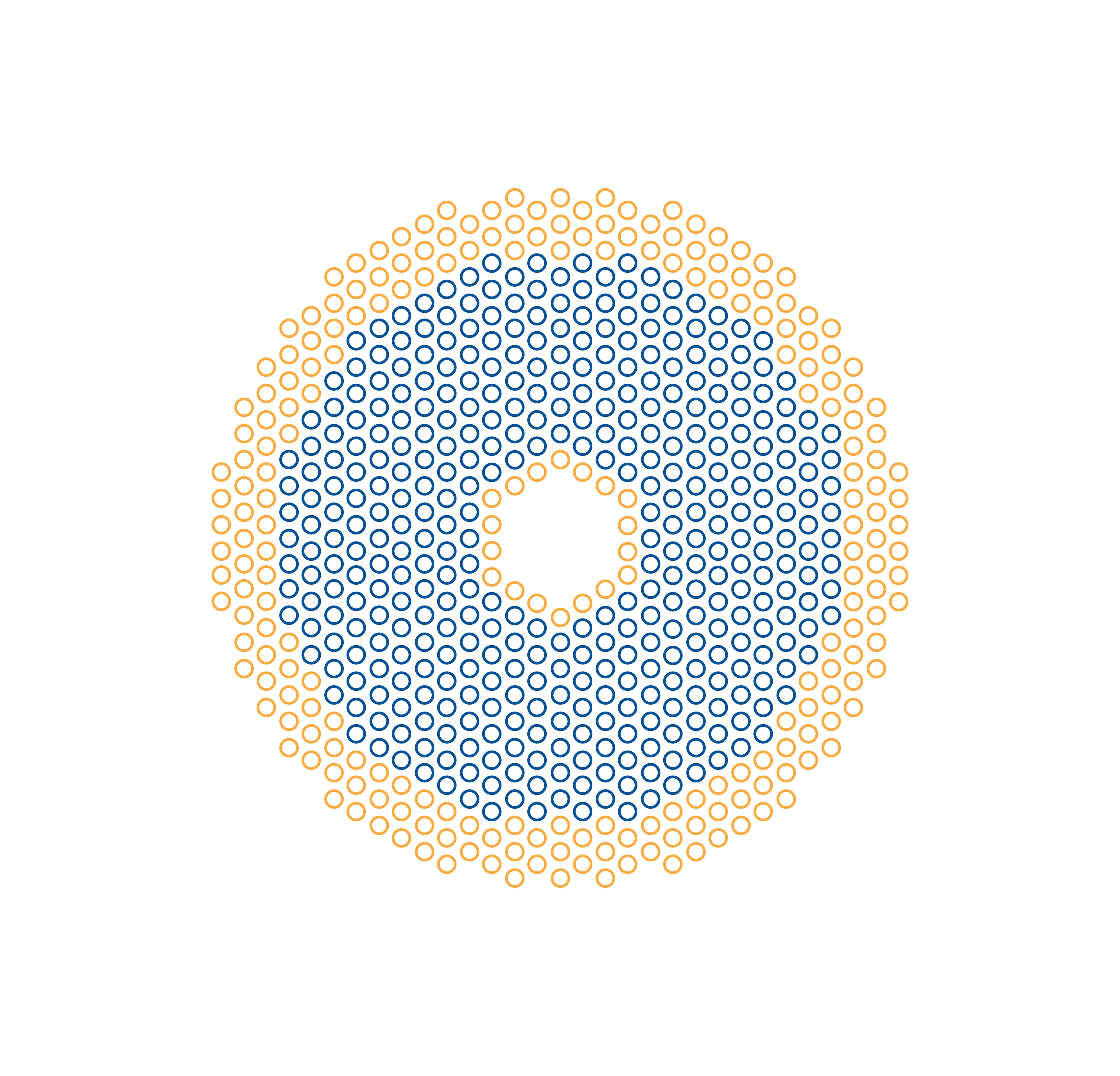
HOYA’s most advanced myopia control solution, designed to address the varying needs of children in controlling their myopia progression.
Small steps today can support your child’s vision as they grow.
"With high myopia, people have around 40 times more risk of developing complications that might lead to irreversible blindness." Prof. Serge Resnikoff, Chair, International Myopia Institute
*Disclaimer: MiYOSMART iQ and MiYOSMART have not been approved for myopia management in all countries, including the U.S., and are not currently available for sale in all countries, including the U.S.
MiYOSMART iQ and MiYOSMART spectacle lenses may not be able to address individuals’ conditions due to natural deficiencies, illness, pre-existing medical conditions and/or advanced age of consumers. The information contained herein is for general information and is not intended to constitute medical advice. Please consult your Eye Care Professional for more information prior to the use of MiYOSMART iQ and MiYOSMART spectacle lenses.
References
